Walking an Empty Venue: How We Plan Power, Access and Cable Runs
A behind-the-scenes account of how venue preparation really happens in the course, from the first site walk to the last taped cable, and what learners do at each step.
6 min read
The site walk comes before any plan
When learners reach Module 6, the first thing they do is leave the classroom. We take them through an empty room with a clipboard and the venue preparation guide, and the rule is simple: nothing gets drawn until the room has been walked end to end. Doors, loading route, stage edge, ceiling height, where the nearest sockets sit, where the audience will enter. Most mistakes in a launch begin as something nobody looked at on the first visit.
Learners usually want to start with the creative side, the lighting look or the camera positions. I ask them to hold that back for an hour. Walk the route a case of equipment would take from the vehicle to the stage. Count the doors, the steps, the corners. Note which doors lock and who holds the key. A sketch made after that walk is shorter and far more honest than one made from a floor plan alone.
- Walk the load-in route with a real case, not just by eye
- Photograph every power point and note its position
- Record door widths, steps and any lift restrictions
Power: counting what the show actually draws
Power is the part that surprises people. In the guide, learners list every item that needs a socket: lights, a control desk, camera chargers, a stream encoder, monitors, a laptop for the presenter's slides. Then they group the items by where they sit and match each group to the nearest supply. The aim is not an electrical design but a sensible, written picture of what the room will be asked to carry.
We teach one habit above the rest: ask the venue what the supply can handle before the day, and write down the answer with a name next to it. Where a venue cannot say, the plan allows extra time and a simpler setup. Learners also mark which circuits feed the audience area, because sharing a circuit with kitchen equipment is a common source of trouble that is easy to avoid when it is known early.
- List every powered item and where it will stand
- Ask the venue for supply limits and note who answered
- Keep stream and audio equipment on a separate supply where possible
Access and setup time are two different questions
A venue can be easy to enter and still slow to set up. Learners in this module separate the two. Access covers when the building opens, who meets the crew, where vehicles can stop and how long a loading slot lasts. Setup time covers what has to happen inside once the crew is in: rigging, cabling, camera placement, sound checks and a full run with the presenter.
We work backwards from the doors opening. If guests arrive at seven, the presenter run-through needs to be finished well before then, the audio check before that, and the rigging before that. Learners write this as a simple timed list in the venue file, with a margin built into every step. It is plain arithmetic, but it is the part that most often gets skipped when a team is excited about the show itself.
- Separate building access from the setup tasks inside
- Work backwards from the time guests arrive
- Add a margin to every step rather than only at the end
Cable runs that nobody trips over
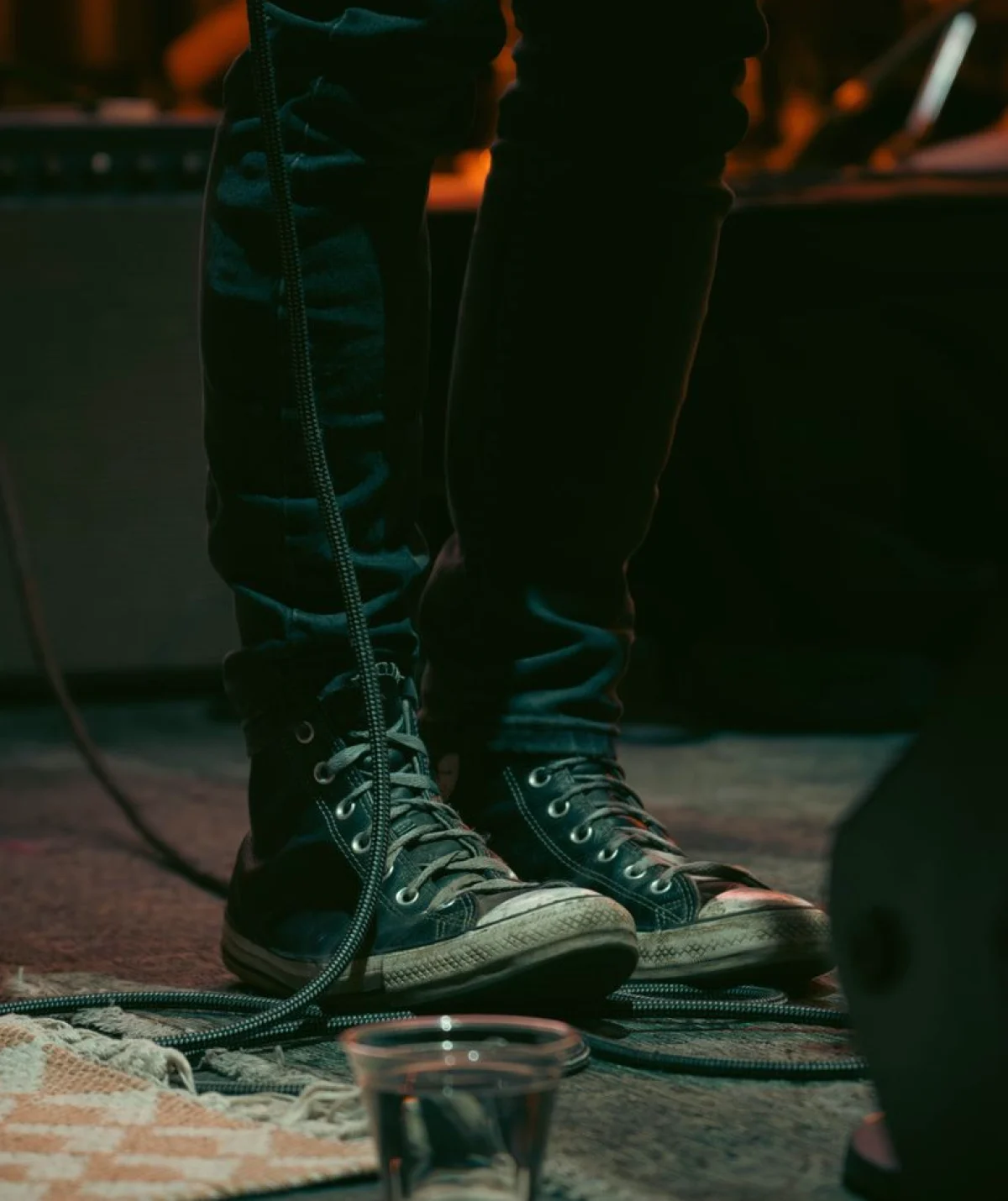
Cables are where careful planning shows. In practice sessions, learners lay out a run from the control position to the stage and then walk it as an audience member would. Any cable that crosses a walking route gets a cover or a new path. Cables that run along walls are taped flat and labelled at both ends, so the person fixing a problem in the dark does not have to guess.
I ask learners to think about who else will use the room that day: catering staff, ushers, the presenter arriving from the side. A route that works for the crew alone is not finished. We also talk about keeping power and signal cables apart where they must cross, and crossing at right angles. These are small habits, and learners tend to remember them because they have lifted the same heavy cable twice after getting it wrong once.
- Label both ends of every long cable
- Cross power and signal cables at right angles
- Cover or reroute anything across a walking route
What goes into the venue file
By the end of the module each learner holds a venue file for a practice room. It carries the site notes, a simple sketch of the stage and audience, the power list, the access times, the setup schedule and a contact sheet with names and phone numbers for the venue. It is a working document meant to be handed to a colleague who has never seen the room.
We test it that way. Another learner reads the file and tries to find where the first case goes, who to call if a door is locked, and which socket feeds the stream desk. Whatever they cannot answer goes back for another pass. It is an unglamorous exercise, but it is the same discipline a producer relies on when a launch moves to a new city and the team arrives with only the paperwork.
- Site notes, sketch, power list and access times together
- Contact names and numbers for the venue on one sheet
- A colleague should be able to use the file without you
Common slips we see in practice
Across practice sessions the same slips appear. Learners trust a floor plan that is out of date, assume a socket is live, forget that a loading door closes at a set hour, or leave no time for the presenter to stand on the real stage before guests arrive. None of these is a failure of talent. They come from planning on paper and never testing the plan against the room.
The cure is repetition and a short checklist read aloud at the end of every site visit. We ask learners to say what they would regret not having checked, then check it. It sounds modest, but it changes how people prepare. By the third visit they walk in already looking for the awkward corner, the shared circuit and the door that sticks, and their files are noticeably shorter and clearer.
- Confirm that every socket is live before the day
- Check closing times for loading doors
- Reserve time for the presenter on the real stage
Venue preparation is the quiet part of a launch, and it is where much of the calm on the day is earned. In Module 6 learners practise it in a real room, with real cables and a written file at the end. The skill is patience: look, ask, write it down, test it. A launch that feels effortless to the audience usually began with someone walking an empty room and taking careful notes.
