What a Cue Really Is, and Why Run Sheets Depend on It
A cue is a single instruction tied to a single moment. This note explains the word in plain terms and shows how cues become the run sheet an event team follows.
6 min read
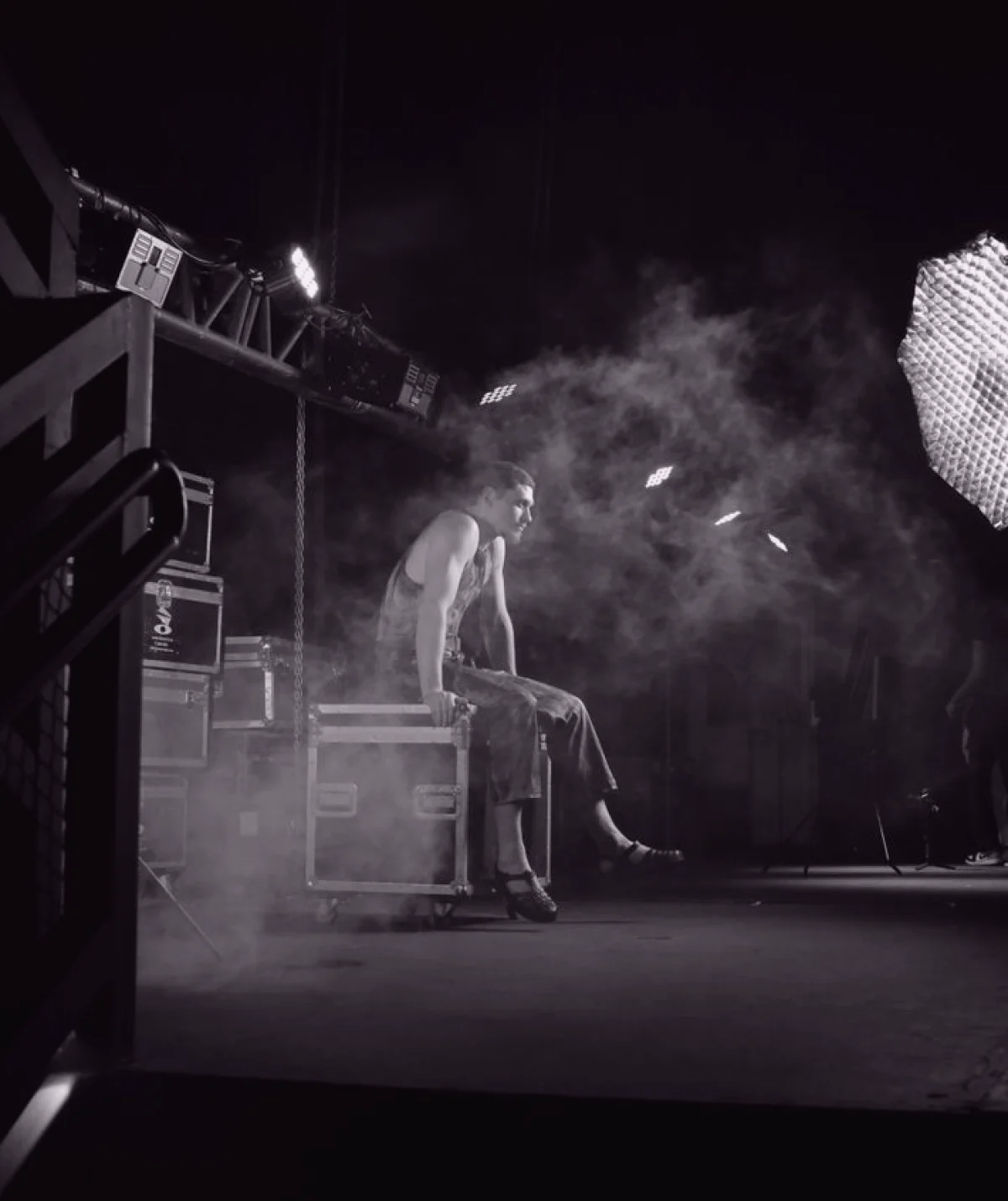
A cue is one instruction at one moment
People new to live events often hear the word cue and picture a dramatic gesture. In practice a cue is much plainer: it is one instruction, tied to one moment, given to one person or one department. Lights up on the presenter. Play the opening film. Switch to camera two. Each of those is a cue, and each has a trigger that tells the operator when to act.
The trigger matters as much as the action. A cue can be set off by a time on the clock, by a spoken line, by the end of a video, or by a nod from the person calling the show. When a trigger is vague, two people act at slightly different moments and the audience notices a stumble. When it is specific, the room feels calm and the event looks effortless.
In Module 2 we start with exactly this small unit. Before anyone builds a schedule, learners write cues for a short practice script, name the trigger for each, and decide who is responsible. It sounds modest, but every larger document in the module is made of these pieces.
- One cue, one action
- Every cue has a trigger
- Every cue has a named owner
Standby and go: the two words that carry the show
Cues are usually called in two steps. The caller says standby, which warns the operator that an action is coming, and then says go, which means do it now. The pause between the two is short, often only a few seconds, but it gives the operator time to put a hand on the control and be ready rather than surprised.
This habit is worth learning even if you never call a show. If you ever hand a small launch to a colleague, agreeing on a standby and a go removes guesswork. Nobody has to wonder whether a half-spoken remark was an instruction or just conversation in the room.
During practice sessions we ask learners to take turns as caller. Most find their first attempt rushed, with the go arriving before the standby has landed. We slow the exercise down, count the gap aloud, and repeat until the rhythm feels natural. Clear, even delivery is a skill, and it improves quickly with a few honest run-throughs.
- Standby warns, go commands
- Keep the gap short and even
- Use the same words every time
From a list of cues to a run sheet
A run sheet is simply the cues placed in order, with the timing, the people and the notes that surround them. Think of it as the single page everyone can glance at during the event. It shows what happens, when it happens, who does it and what must be ready beforehand.
Most run sheets use columns. One holds the clock time or the running time, another the description of what the audience sees, others the lighting, sound, video and presenter notes. Reading across a row tells you everything about that moment. Reading down a column tells one department what its whole evening looks like.
Learners in this module build a sample run sheet for a short product reveal, beginning when doors open and ending with the final applause. They fill the columns from their own cue lists, then swap sheets with a classmate who tries to follow it cold. Whatever confuses the second reader is a place where the sheet needs more detail.
- Time, action, owner, notes
- One row per moment
- Test it with a fresh reader
Why timing is written two ways
You will see two kinds of time on a run sheet, and mixing them up causes real trouble. Clock time is the actual hour on the wall, such as seven thirty. Running time is how long the event has been going, such as twelve minutes in. Both are useful, but for different jobs.
Clock time suits the lead-up: doors, catering, the arrival of the speaker. Running time suits the show itself, because if the start slips by five minutes the whole sheet does not need rewriting. The caller simply works from the new start and the relative gaps stay the same.
We encourage learners to show both in separate columns and to mark clearly which moments are fixed. A broadcast window or a speaker with a hard departure time cannot slide, while a walk-on song can. Marking those fixed points in advance lets the team make sensible decisions calmly when something runs late, instead of arguing about it mid-show.
- Clock time for the day
- Running time for the show
- Mark moments that cannot move
Writing for the person reading in the dark
A run sheet is often read in a dim room, quickly, by someone wearing a headset and watching a stage. That reader has no patience for long sentences. Short, plain phrases work best, written in a consistent order, so the eye finds the same kind of information in the same place every time.
Use the same names for the same things throughout. If the opening film is called the opener on page one, it should not become the intro video on page two. Consistent labels prevent the small misunderstandings that grow into stage mistakes. Large type and generous spacing help more than clever formatting.
In our sessions we print the sheets and read them under low light, because a document that looks fine on a bright screen can be hard to follow backstage. Learners usually trim their wording after that test. Fewer words, clearer verbs and obvious spacing make the page serve the show rather than slow it down.
- Short phrases, consistent order
- One name per item
- Check it in low light
Leaving room for the unexpected
No run sheet survives contact with a live room unchanged. A speaker takes a question, a video loads slowly, a guest arrives late. A good sheet does not pretend otherwise. It includes small buffers and notes what can be shortened or dropped if time runs short.
Alongside the main sequence, many producers keep a list of flexible items, marked clearly, that can be cut without hurting the story. Deciding that list calmly beforehand is far easier than inventing it under pressure while a room full of people waits.
We also teach learners to revise the sheet after every rehearsal. Each run-through reveals a moment that needed more time or a cue that nobody owned. Updating the document straight away, and dating the version, keeps the whole team working from the same page and stops older copies from circulating on the night.
- Build small buffers into the flow
- List items that can be cut
- Date every version
Cue planning is mostly a matter of being precise about small things. A cue names one action, one trigger and one owner, and a run sheet lines those cues up so everyone sees the same evening. Learn the vocabulary, write plainly, rehearse the document as well as the show, and revise it after every run-through. Those habits make a launch feel calm to the audience, and they are what Module 2 practises from the first session to the last.
